
Current Staff Picks
Dive into our carefully selected books that transport readers across genres, worlds, and imagination

The dead return, still keeping score.
In Schrader's Chord, Scott Leeds offers a meditation on grief as a frequency — something that hums beneath daily life until the right conditions make it unbearable and audible. Leeds writes the horror of unresolved inheritance with genuine moral weight, finding in cursed vinyl not just a gateway to the dead but a reckoning with what fathers leave behind. The book insists that some silences, when broken, cannot be made quiet again.

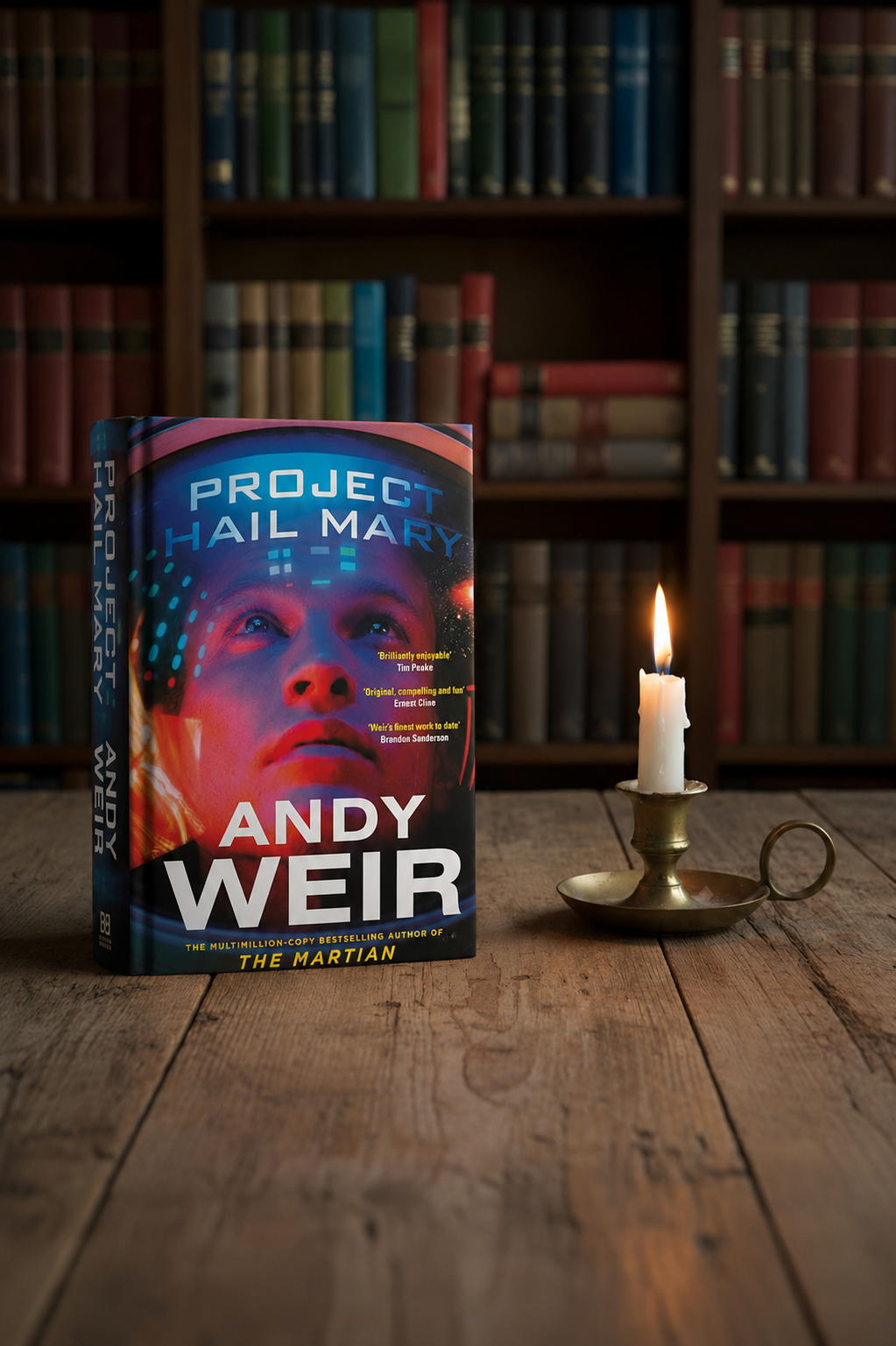
Alone, at the edge of everything.
In Project Hail Mary, Andy Weir presents a meditation on what endures when identity is stripped away and only purpose remains — the kind of purpose that was never chosen, only survived. Weir writes ingenuity not as heroism but as the last available language between a man and an indifferent universe. What the book refuses is despair, insisting instead that connection, even across the most irrevocable distances, is something intelligence cannot help but reach for.
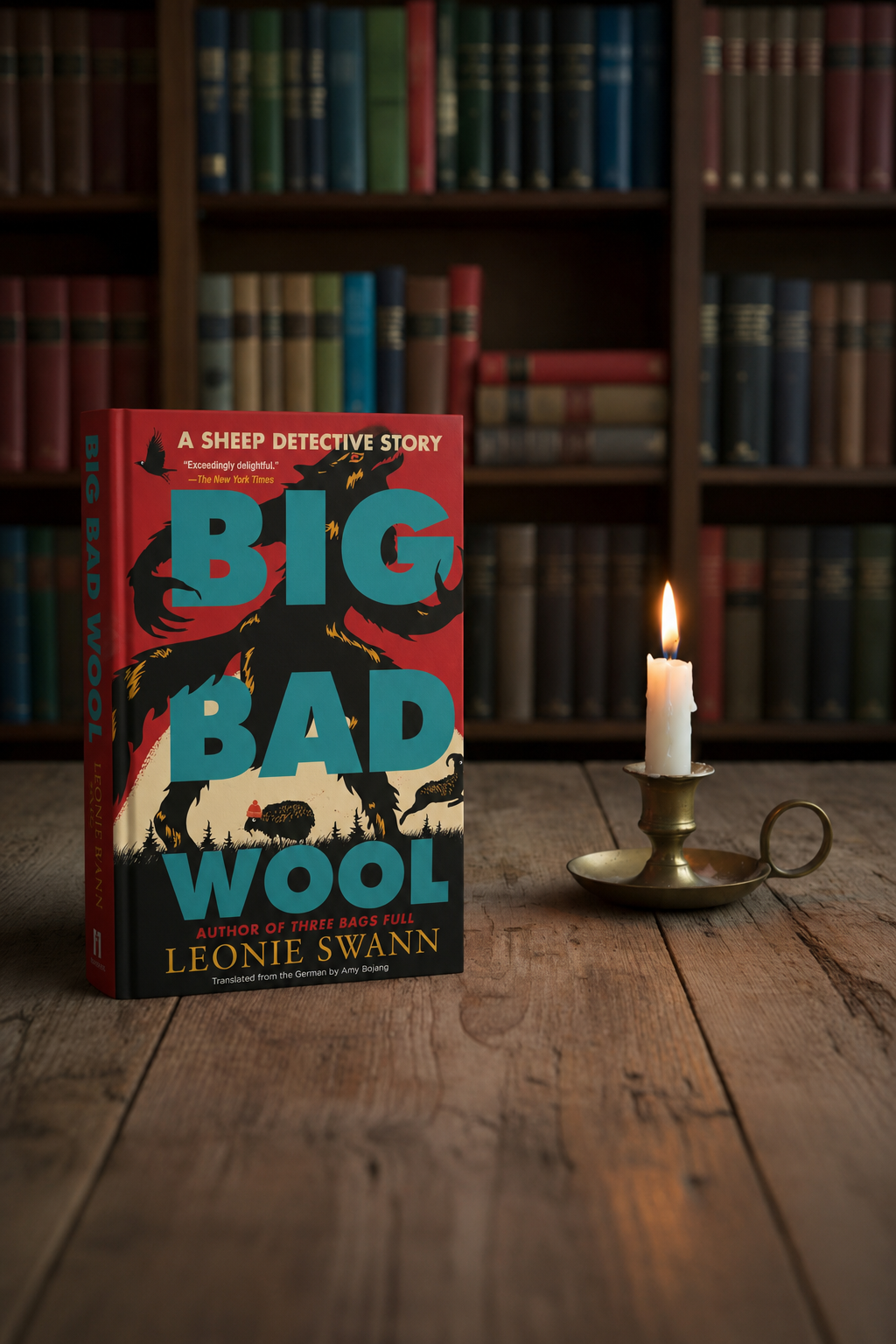
Innocence that watches, and understands.
In Big Bad Wool, Leonie Swann offers a study in the uncanny patience of the observer — what becomes visible when the witness has no stake in reputation, ambition, or the comfort of narrative. Swann writes the animal gaze as a philosophical instrument, steady and unhurried where human perception is distorted by longing and fear. The book lingers because it treats innocence not as ignorance but as a form of perception the rest of us have forfeited, and asks at what cost.
Darkness, finding its own reflection.
In Butcher & Blackbird, Brynne Weaver presents a study in the seductions of recognition — what it means to be truly seen by the one person whose perception cannot be deceived. Weaver writes complicity as intimacy, tracing how shared darkness can become the most honest form of belonging available to those the moral order has no category for. The book asks whether love is ever really separate from the need to be known, entirely, without the performance of innocence.

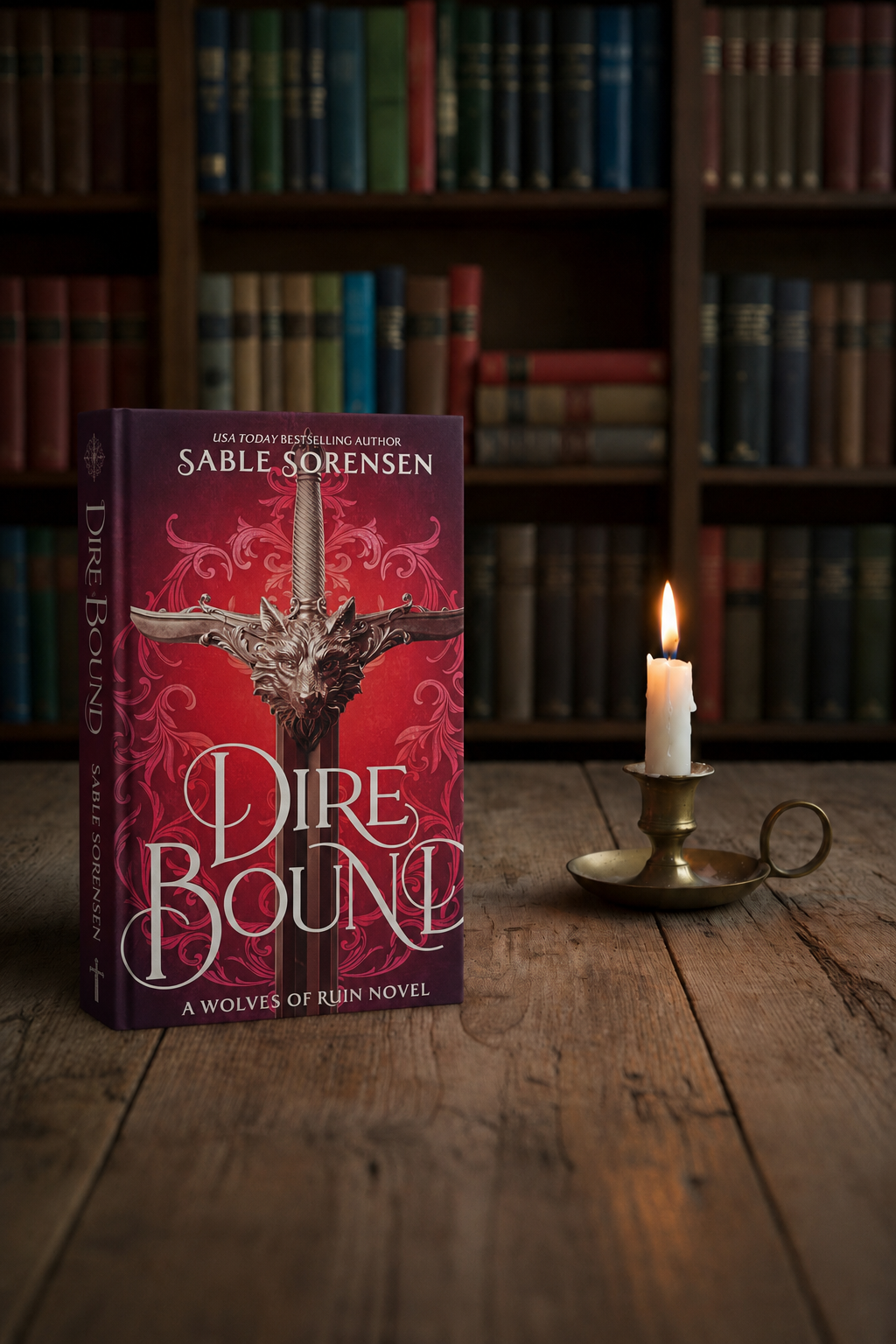
Bound to something feral, and necessary.
In Dire Bound, Sable Sorensen writes survival as a form of self-dissolution — the slow erosion of who you were before the threshold, before the bond, before the cost of endurance became visible. The book traces what happens when loyalty is forced into the body itself, irrevocable and animal, and asks whether trust can be built from that kind of compulsion. What it refuses is the comfort of the willing; every connection here is earned through the wreckage of resistance.
Stay connected with Ritual Reads
Be the first to hear about newly conjured titles, upcoming gatherings, and curated recommendations from our shelves.